
Best Whisky for Collectors: 10 Bottles Worth Considering
Looking for the best whisky for collectors? Building a whisky collection is about more than buying expensive bottles. The most interesting collections often bring together limited releases, distinctive casks, vintage bottlings, established distilleries and whiskies with a meaningful story.
Some collectors focus on closed distilleries or rare Japanese whisky. Others prefer independent single-cask Scotch, annual releases, unusually mature expressions or bottles from a favourite distillery.
There is no single formula for the perfect collection. A carefully selected £100 independent bottling may be more interesting to one enthusiast than a famous luxury single malt costing thousands.
In this guide, we’ve selected ten whiskies worth investigating, ranging from accessible specialist releases to premium aged expressions. We’ll also explain what makes a whisky collectible, how to assess value, and how to store bottles properly.
Quick recommendations: North British 2008 for an accessible cask-specific release, Chichibu London Edition 2024 for Japanese whisky enthusiasts, Ben Nevis 1996 for vintage Scotch collectors, Tomatin 1993 for mature independent whisky, and Edradour 1995 for an anniversary release.
Collector’s note: These are bottles to research and consider, not guaranteed investments. Prices, availability and resale demand can change considerably. A product listing does not confirm that a bottle is currently available.
Best Whisky for Collectors: Quick Comparison
| Whisky | Collecting Interest | Best For |
|---|---|---|
| North British 2008, 15 Year Old, Cask 37 | Vintage, cask identification, independent bottling | New collectors |
| Longmorn 2009, 16 Year Old, PX Finish | Named cask, independent release, PX finish | Single-cask enthusiasts |
| Chichibu London Edition 2024 | Named annual edition, Japanese single malt | Japanese whisky collectors |
| Ben Nevis 1996, 25 Year Old | Older vintage, retailer-selected bottling | Vintage Scotch enthusiasts |
| Tomatin 1993, 30 Year Old, Cask 6812 | 30-year maturation, identified cask | Mature independent whisky collectors |
| Edradour 1995, 30 Year Old, 200th Anniversary | Commemorative release, age and vintage | Anniversary-release collectors |
| Highland Park 25 Year Old, 2023 Edition | Mature official distillery release | Established Scotch collectors |
| Balvenie 25 Year Old Rare Marriages | Premium age-statement expression | Luxury Speyside collections |
| Glenlivet 25 Year Old Sample Room Collection | Named official collection | Distillery-focused collectors |
| Glenfarclas 25 Year Old London Edition | Retailer-exclusive edition | Exclusive-release collectors |
1. North British 2008, 15 Year Old – Best Accessible Collector’s Whisky
North British 2008, 15 Year Old, Oloroso Finish, Cask 37, Mossburn is an interesting starting point for someone building a collection around independent bottlings.
North British is a grain whisky distillery, making this a different proposition from the single malts that dominate many whisky collections.
The 2008 vintage, 15-year age statement, Oloroso finishing and identified cask provide several useful details for collectors to research and document.
Why Collectors Might Consider It
- A clearly identified distillation vintage.
- A named independent bottler.
- A specific cask reference.
- Oloroso sherry-cask finishing.
- An opportunity to explore collectible grain whisky rather than only single malt.
Collecting angle: An accessible way to learn about vintage, bottler and cask identification without immediately pursuing ultra-rare Scotch.
Before buying: Confirm the exact bottle details, condition, price and whether the listing matches Cask 37.
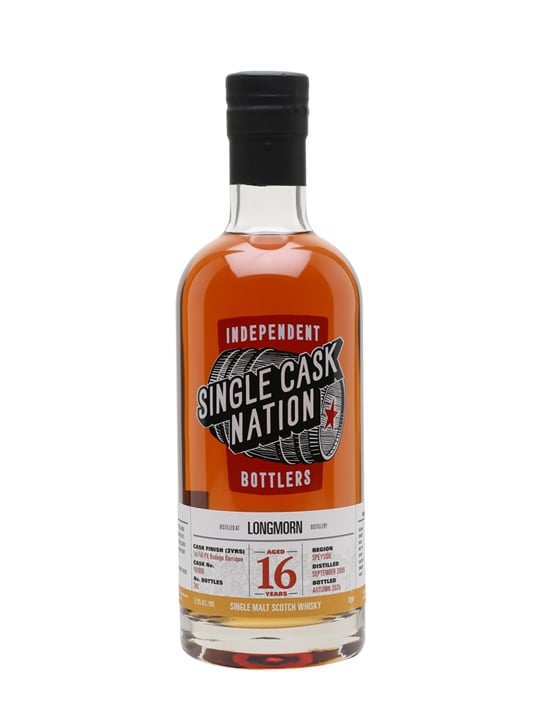
2. Longmorn 2009, 16 Year Old PX Finish – Best for Single-Cask Collectors
Longmorn 2009, 16 Year Old, PX Finish, Cask 161695, Single Cask Nation is a more specialised Speyside bottling.
Independent releases can be particularly appealing because they showcase specific cask selections rather than the consistent flavour profile of a distillery’s standard range.
This expression combines a 2009 vintage, 16 years of maturation and Pedro Ximénez finishing.
Why Collectors Might Consider It
- A named distillery and vintage.
- An individual cask identifier.
- A recognisable independent bottler.
- PX finishing that differentiates the release.
- A useful addition to a collection focused on cask variation.
Collecting angle: Ideal for exploring how independent bottlers select and present individual casks.
Before buying: Verify the cask number, bottle strength, bottling details and any stated bottle count.
Explore Longmorn 2009 PX Finish →
3. Chichibu London Edition 2024 – Best Japanese Whisky for Collectors
Chichibu London Edition 2024 is a distinctive option for enthusiasts who collect Japanese single malt whisky.
Chichibu has attracted significant attention among specialist whisky drinkers, and its named editions offer a different collecting approach from standard core-range bottlings.
The London Edition designation and 2024 release year make this a clearly identifiable bottle within a broader collecting theme.
Why Collectors Might Consider It
- A specific named release rather than a general core expression.
- A clearly identifiable edition year.
- Japanese single malt provenance.
- Potential interest to collectors assembling a series of Chichibu releases.
Collecting angle: A candidate for an edition-based Japanese whisky collection.
Before buying: Check provenance, packaging, bottle condition and the exact edition. Compare asking prices with actual completed sales where reliable data is available.
Explore Chichibu London Edition 2024 →
4. Ben Nevis 1996, 25 Year Old – Best Vintage Highland Whisky
Ben Nevis 1996, 25 Year Old, The Whisky Exchange is worth investigating for collectors interested in mature Highland single malt.
Vintage bottlings allow enthusiasts to explore whisky from a particular production period, making them especially interesting for comparisons across different decades.
For collectors, the exact bottling details are essential because two whiskies distilled in the same year can differ significantly in cask type, maturation and release history.
Why Collectors Might Consider It
- A 1996 distillation vintage.
- A 25-year age statement.
- A retailer-associated release.
- A useful reference point for studying older Ben Nevis whisky.
Collecting angle: Suitable for a collection organised around vintages, distilleries or independent and retailer-selected releases.
Before buying: Confirm the exact label, bottler, strength, cask details and condition.
5. Tomatin 1993, 30 Year Old – Best Mature Independent Bottling
Tomatin 1993, 30 Year Old, Cask 6812, Connoisseurs Choice offers several characteristics that experienced collectors often look for.
Its 1993 vintage, 30-year maturation and identified cask make it a clearly defined expression.
It also belongs to the Connoisseurs Choice range, which has a long association with independent Scotch whisky bottling.
Why Collectors Might Consider It
- Three decades of maturation.
- A specific distillation year.
- An identified cask number.
- An established independent bottling range.
- Potential interest for a collection focused on mature Highland malts.
Collecting angle: A useful example of how vintage, age and independent bottler identity can come together in a premium whisky.
Before buying: Check the original bottling specifications, packaging and current market comparisons.
6. Edradour 1995, 30 Year Old – Best Anniversary Release
Edradour 1995, 30 Year Old, Sherry Cask Batch 1, 200th Anniversary has a particularly strong commemorative identity.
Anniversary releases can appeal to collectors because they connect a whisky to a specific event in a distillery’s history.
In this case, the 200th Anniversary designation adds a clear historical theme to a mature sherry-cask expression.
Why Collectors Might Consider It
- A 1995 distillation vintage.
- A 30-year age statement.
- Sherry-cask maturation.
- A named anniversary release.
- A Batch 1 designation.
Collecting angle: Particularly suitable for collectors who focus on commemorative bottlings or significant distillery milestones.
Before buying: Confirm the release specifications and any documented production quantities rather than assuming that an anniversary label guarantees scarcity.
Explore Edradour 200th Anniversary →
7. Highland Park 25 Year Old, 2023 Edition – Best Mature Island Whisky
Highland Park 25 Year Old, 2023 Edition is an interesting option for collectors who prefer official distillery bottlings.
Highland Park’s Orkney identity, mature age statements and distinctive balance of peat and sweetness give the distillery a recognisable place in Scotch whisky.
The 2023 Edition designation provides a specific release reference, which is useful when documenting a collection.
Why Collectors Might Consider It
- A mature 25-year-old official bottling.
- A clearly identified release year.
- A well-established island distillery.
- Potential interest for collectors comparing different editions.
Collecting angle: A candidate for a distillery-focused collection featuring multiple Highland Park age statements and releases.
Before buying: Check the exact edition, packaging, bottle condition and current asking prices.
8. Balvenie 25 Year Old Rare Marriages – Best Luxury Speyside Whisky
Balvenie 25 Year Old Rare Marriages is a premium Speyside single malt for collectors interested in mature official releases.
The Rare Marriages name reflects a distinctive expression within Balvenie’s range rather than a generic age-statement bottling.
It may appeal to collectors who follow the distillery’s premium releases and maturation approaches.
Why Collectors Might Consider It
- A 25-year age statement.
- An established Speyside distillery.
- A named premium expression.
- A useful addition to a Balvenie-focused collection.
Collecting angle: Best considered as part of a premium distillery collection rather than simply because it is expensive.
Before buying: Confirm the exact edition, presentation, condition and whether comparable bottles have demonstrated sustained collector demand.
Explore Balvenie 25 Rare Marriages →
9. Glenlivet 25 Year Old Sample Room Collection – Best Distillery Series Whisky
Glenlivet 25 Year Old, The Sample Room Collection offers an opportunity to collect a named expression from one of Speyside’s most established distilleries.
Collectors sometimes prefer complete ranges or related releases rather than unrelated individual bottles.
A clearly branded collection can provide a framework for researching other expressions, release dates and packaging changes.
Why Collectors Might Consider It
- A 25-year-old official distillery expression.
- A named collection identity.
- A recognised Speyside distillery.
- Potential interest for enthusiasts assembling a Glenlivet range.
Collecting angle: Particularly relevant to collectors who organise their bottles by distillery or named product series.
Before buying: Check which Sample Room Collection expression is being offered and compare it with the exact release you want.
10. Glenfarclas 25 Year Old London Edition – Best Retailer-Exclusive Whisky
Glenfarclas 25 Year Old London Edition, Exclusive to The Whisky Exchange is an interesting choice for collectors who focus on special retailer releases.
Exclusive bottlings can offer different cask selections, presentations or release identities from standard distillery expressions.
However, exclusivity alone doesn’t guarantee that a bottle is rare or valuable.
Why Collectors Might Consider It
- A mature 25-year-old expression.
- A named London Edition.
- A retailer-exclusive identity.
- Potential interest for Glenfarclas enthusiasts.
- A distinctive alternative to the standard 25-year-old bottling.
Collecting angle: A suitable candidate for a collection focused on exclusive releases or special editions from established distilleries.
Before buying: Confirm the exact release, any documented bottle count, original packaging and condition.
Explore Glenfarclas 25 London Edition →
What Makes a Whisky Collectible?
A collectible whisky isn’t simply an expensive whisky. Several characteristics may contribute to its appeal.
1. Limited Production
Some whiskies are released in relatively small quantities, particularly single-cask bottlings.
But scarcity only matters financially when there is sufficient demand. A bottle can be uncommon without being valuable.
2. Distillery Reputation
Established distilleries can attract dedicated collectors who follow particular releases, vintages or ranges.
However, a famous name doesn’t automatically make every bottle collectible.
3. Age and Vintage
A whisky’s age statement identifies the youngest whisky in the bottle, while a vintage generally identifies when the spirit was distilled.
These details can help collectors compare releases from different production periods.
Older doesn’t necessarily mean better, rarer or more valuable.
4. Single-Cask Identity
A single-cask whisky comes from an individual cask rather than a vatting of multiple casks.
Collectors may be interested in the cask number, distillation and bottling dates, cask type and stated bottle count.
5. Historical Significance
Anniversary releases, commemorative editions and bottlings associated with significant distillery events can be particularly interesting.
Historical significance should be supported by documented facts rather than marketing language alone.
6. Condition and Provenance
For serious collectors, a bottle’s history and condition are essential.
An attractive release with uncertain provenance, damaged packaging or evidence of poor storage may be much less desirable than an equivalent bottle with a clear history.
Best Whisky for Collectors by Budget
There is no minimum amount you must spend to begin collecting whisky.
| Budget Approach | What to Look For | Examples to Research |
|---|---|---|
| Entry-level collecting | Interesting independent releases and clearly identified casks | North British 2008 |
| Specialist collecting | Vintage bottlings and distinctive cask finishes | Longmorn 2009 PX Finish |
| Premium collecting | Mature vintages and named editions | Ben Nevis 1996, Chichibu London Edition |
| High-end collecting | Older official releases and commemorative bottlings | Tomatin 1993, Edradour 1995, Highland Park 25 |
| Distillery-focused collecting | Related expressions within a recognised range | Balvenie 25, Glenlivet 25, Glenfarclas 25 London Edition |
These are collecting categories rather than verified price bands. Always establish the actual asking price before setting a budget.
Single-Cask vs Limited-Edition Whisky: Which Is Better for Collectors?
Single-cask and limited-edition whiskies can both be interesting, but they are not interchangeable.
Single-Cask Whisky
A single-cask bottling provides a direct connection to one individual cask.
Collectors may be able to document the cask number, type, age and bottling details.
Longmorn 2009 and Tomatin 1993 are examples of cask-specific releases worth investigating.
Limited-Edition Whisky
A limited edition may be produced from multiple casks but released for a particular occasion, market or series.
Chichibu London Edition 2024 and Edradour’s 200th Anniversary bottling illustrate different forms of named release.
Which Should You Choose?
Choose single-cask whisky if you’re particularly interested in individual maturation histories and cask variation.
Choose named editions if you enjoy building a collection around a distillery, event or release series.
Neither category guarantees future price appreciation.
How to Research a Collectible Whisky Before Buying
For a significant purchase, research is more important than the excitement surrounding a particular bottle.
- Identify the exact release: Confirm the full name, vintage, age, bottler and edition.
- Check the cask details: Look for cask numbers, wood type, strength and bottle count where available.
- Confirm provenance: Buy from a reputable retailer or seller with a clear history.
- Inspect condition: Check the fill level, seal, label, capsule and presentation box.
- Compare actual sales: Completed auction results can be more informative than ambitious asking prices.
- Calculate total costs: Include buyer’s premiums, delivery, insurance, taxes and possible future selling fees.
- Consider liquidity: A rare bottle may still be difficult to resell.
- Document the purchase: Retain receipts, photographs and relevant product details.
Is Whisky Collecting a Good Investment?
Some rare whisky bottles have sold for substantial sums, but that does not mean whisky collecting offers predictable returns.
Prices can be influenced by collector demand, economic conditions, brand reputation, release quantities and broader market sentiment.
Potential costs include:
- Retail or auction premiums
- Storage and insurance
- Shipping and handling
- Authentication or valuation expenses
- Selling commissions
- Possible losses if demand falls
Past auction prices do not guarantee future results.
Our approach: Build a collection around whiskies you genuinely find interesting, and treat any potential appreciation as uncertain rather than guaranteed.
How to Store Collectible Whisky Properly
Good storage is essential for maintaining bottle condition.
Keep Bottles Upright
Unlike wine, whisky bottles should generally be stored upright to avoid prolonged contact between high-strength alcohol and the cork.
Avoid Direct Sunlight
Sunlight can affect both the whisky and its packaging over time.
Choose a dark storage location away from windows.
Maintain a Stable Temperature
Avoid extreme heat and large temperature fluctuations.
Consistent, moderate storage conditions are preferable to garages, lofts or other locations with substantial seasonal changes.
Protect Labels and Packaging
Original presentation boxes, labels and seals may matter to future collectors.
Keep packaging dry and protected from unnecessary handling.
Document Your Collection
Maintain a simple record of each bottle, including:
- Distillery and expression
- Distillation and bottling dates, if known
- Age statement and ABV
- Cask number and bottle number, if applicable
- Purchase date and price
- Seller and receipt
- Photographs of the bottle and packaging
- Storage location and condition notes
A well-documented collection is easier to manage, insure and research.
Should You Open a Collectible Whisky?
That depends on why you bought it.
If your main goal is to explore flavour, opening the bottle may be the most rewarding part of ownership.
If you are preserving a bottle as a collectible object, opening it will generally remove its status as an unopened collectible.
Some enthusiasts maintain separate collections: one of bottles intended for drinking and another of unopened releases they wish to preserve.
There is no single correct approach. The important thing is to decide what you want from the collection before purchasing.
Common Mistakes New Whisky Collectors Make
- Buying only by age: A 30-year-old whisky isn’t automatically more collectible than a younger special release.
- Assuming limited means valuable: Scarcity without demand does not guarantee resale interest.
- Ignoring provenance: Authenticity and bottle history matter, especially for expensive releases.
- Paying inflated asking prices: An advertised price isn’t proof of market value.
- Overlooking storage: Heat, sunlight and poor handling can affect condition.
- Buying without a collecting theme: A focused collection can be more satisfying than an assortment of unrelated expensive bottles.
- Ignoring selling costs: Auction fees and other expenses can materially reduce any return.
- Expecting guaranteed appreciation: Collectible whisky prices can fall as well as rise.
Frequently Asked Questions About Collectible Whisky
What is the best whisky for a collector?
There is no single best bottle. Collectors interested in cask-specific releases might consider Longmorn 2009 or Tomatin 1993, while those interested in named editions may prefer Chichibu London Edition or an Edradour anniversary release.
What makes a whisky rare?
Rarity can result from limited production, small cask yields, historical bottlings or discontinued releases. However, rarity should be supported by reliable production information rather than assumed from price or marketing.
Is older whisky more collectible?
Not necessarily. Age can contribute to interest, but distillery reputation, edition, provenance, condition and demand are also important.
Are single-cask whiskies worth collecting?
They can be particularly interesting because each release has an individual cask history. That doesn’t mean every single-cask bottling will become valuable.
Is Japanese whisky collectible?
Some Japanese whisky releases attract strong collector interest. Chichibu’s named editions are examples worth researching, but individual bottle values depend on the exact release and market conditions.
Should I collect official or independent bottlings?
Both have advantages. Official releases suit distillery-focused collections, while independent bottlings can provide access to unusual vintages, casks and maturation styles.
Do whisky bottles increase in value?
Some do, while others remain stable or lose value. There is no guarantee of appreciation, and transaction costs can significantly affect returns.
Does whisky continue ageing in the bottle?
No. Whisky’s age statement reflects maturation in cask. Once bottled, it does not continue to mature in the same way.
Should collectible whisky be stored lying down?
No. Whisky bottles should generally be kept upright to avoid prolonged contact between the spirit and the closure.
Are presentation boxes important?
They can be. Original packaging, labels and seals may affect collector appeal, especially for premium and limited releases.
How can I check a collectible whisky’s value?
Research the exact edition and compare recent completed sales from reputable sources. Consider condition, provenance, auction premiums and selling costs.
Is it better to collect one distillery or several?
Both approaches can work. A single-distillery collection offers focus, while a broader collection can showcase different regions, vintages, bottlers and cask types.
Explore More Whisky Guides on ModHaven
- Sherried Whisky – Explore rich sherry-cask styles and distinctive maturation.
- Cask Strength Whisky – Discover stronger bottlings and specialist releases.
- Whisky Gifts Under £100 – Find more accessible bottles for whisky enthusiasts.
Final Verdict: Which Whisky Should a Collector Buy?
The best whisky for collectors is a bottle that fits a clear collecting interest, has verifiable details and can be purchased at a price you’re comfortable paying.
For someone starting out, North British 2008 offers a useful introduction to cask-specific independent bottlings. Longmorn 2009 PX Finish is worth exploring for single-cask interest, while Chichibu London Edition 2024 provides a different approach for Japanese whisky enthusiasts.
Experienced collectors may be drawn to mature releases such as Ben Nevis 1996, Tomatin 1993 and Edradour’s 200th Anniversary expression.
Highland Park 25, Balvenie 25, Glenlivet 25 and Glenfarclas 25 London Edition are further candidates for collections built around established distilleries and premium official or exclusive releases.
Whichever direction you choose, prioritise authenticity, provenance, condition and personal interest over claims of future investment returns.
Explore the ModHaven product links above to research the exact releases and compare current retailer listings.
Affiliate disclosure: ModHaven may earn a commission from qualifying purchases through retailer links, at no additional cost to you. Whisky collecting carries financial risk, and past resale prices do not guarantee future performance. Alcohol is intended for adults of legal drinking age. Please drink responsibly.