Best Peated Whiskies Under £100: 10 Smoky Bottles Worth Trying
Looking for the best peated whiskies under £100? Whether you enjoy intense Islay smoke, coastal sea-salt character or a gentler combination of peat and sweetness, there are some excellent smoky Scotch whiskies to explore without entering the luxury price bracket.
Peated whisky is one of the most distinctive styles of Scotch. Its smoky flavours come from peat used during the malting process, but the finished whisky can taste remarkably different depending on the distillery, maturation and cask selection.
Some bottles deliver medicinal smoke, seaweed and bonfire ash. Others combine peat with citrus, vanilla, honey, chocolate or dried fruit.
In this UK buying guide, we’ve selected ten peated single malts worth considering, from classic Laphroaig and Ardbeg to the rich, smoky character of Kilchoman Sanaig.
Our quick picks: Ardbeg 10 for classic Islay smoke, Laphroaig 10 for medicinal peat, Bowmore 12 for a gentler introduction, Port Charlotte 10 for powerful balanced peat and Ardbeg Uigeadail for smoke with sherry richness.
Price note: These bottles are commonly considered within the sub-£100 category, but prices and availability change. Check the current retailer price, bottle size and delivery costs before ordering.
Best Peated Whiskies Under £100: Quick Comparison
| Whisky | Smoke Style | Other Flavours | Best For |
|---|---|---|---|
| Ardbeg 10 Year Old | Intense, ashy and coastal | Citrus, vanilla, pepper | Classic peat lovers |
| Laphroaig 10 Year Old | Medicinal and maritime | Seaweed, salt, sweet malt | Bold Islay character |
| Bowmore 12 Year Old | Moderate, rounded peat | Honey, citrus, oak | Peated whisky beginners |
| Caol Ila 12 Year Old | Clean, coastal smoke | Lemon, malt, sea air | Elegant smoky whisky |
| Ledaig 10 Year Old | Earthy, maritime peat | Pepper, malt, brine | Island whisky enthusiasts |
| Kilchoman Machir Bay | Fresh, vibrant peat | Citrus, vanilla, coastal notes | Modern Islay style |
| Kilchoman Sanaig | Smoke with sherry richness | Dried fruit, spice, oak | Peat and sherry lovers |
| Port Charlotte 10 Year Old | Powerful, earthy peat | Malt, citrus, oak | Experienced peat drinkers |
| Lagavulin 8 Year Old | Dry, assertive smoke | Pepper, citrus, maritime notes | Bold, youthful Islay whisky |
| Ardbeg Uigeadail | Rich, powerful peat | Dried fruit, chocolate, spice | Smoky sherry-cask enthusiasts |
1. Ardbeg 10 Year Old – Best Classic Peated Whisky
Ardbeg 10 Year Old is one of the most recognisable examples of heavily peated Islay whisky.
It combines assertive smoke with citrus, malt sweetness and a distinctly coastal character. Despite its powerful peat profile, it has enough brightness and balance to remain engaging rather than simply smoky.
Flavour Profile
- Aroma: Peat smoke, lemon, sea air and vanilla.
- Palate: Ashy smoke, citrus, sweet malt and pepper.
- Finish: Long, smoky and warming.
Why it’s worth trying: A benchmark bottle for understanding the bold, smoky side of Islay single malt.
Best for: Whisky enthusiasts who enjoy strong peat, coastal flavours and a clean citrus contrast.
Check Ardbeg 10 price and availability →
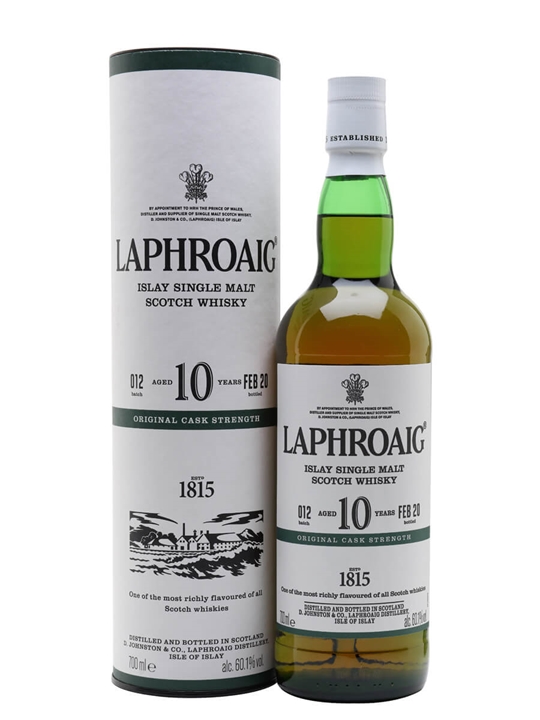
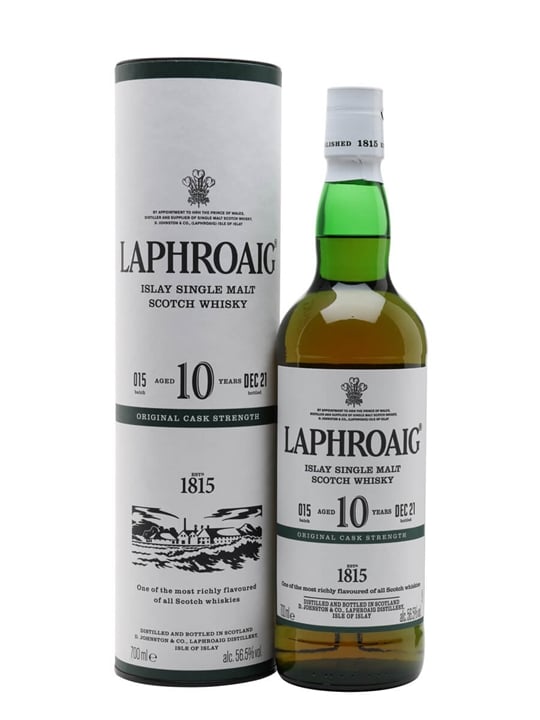
2. Laphroaig 10 Year Old – Best Medicinal Peated Whisky
Laphroaig 10 Year Old is famous for its distinctive medicinal and maritime character.
Its peat profile is often described in terms of iodine-like notes, seaweed, smoke and coastal air. That unmistakable character makes it a favourite among dedicated peat enthusiasts.
Flavour Profile
- Aroma: Medicinal peat, seaweed and smoke.
- Palate: Intense peat, salt, malt sweetness and oak.
- Finish: Persistent smoke with a coastal edge.
Why it’s worth trying: Few widely available whiskies demonstrate medicinal Islay peat as clearly.
Best for: Drinkers who want an unmistakably smoky whisky with strong maritime character.
3. Bowmore 12 Year Old – Best Peated Whisky for Beginners
Bowmore 12 Year Old is an appealing starting point for someone who wants to explore peat without immediately choosing the most intense expression.
Its smoky character is balanced by citrus, honeyed sweetness and mature oak.
Flavour Profile
- Aroma: Gentle smoke, citrus and sweet malt.
- Palate: Honey, oak, fruit and rounded peat.
- Finish: Warming with lingering smoke.
Why it’s worth trying: A balanced introduction to Islay whisky that still delivers a recognisable smoky character.
Best for: Beginners, gift buyers and drinkers moving from unpeated Scotch to smoky malts.
4. Caol Ila 12 Year Old – Best Elegant Smoky Whisky
Caol Ila 12 Year Old is a particularly good option for drinkers who appreciate smoke alongside freshness and balance.
Compared with more medicinal Islay expressions, Caol Ila often feels cleaner and more citrus-led, with maritime peat complementing rather than overwhelming the malt.
Flavour Profile
- Aroma: Coastal smoke, lemon and sea air.
- Palate: Citrus, sweet malt, peat and gentle spice.
- Finish: Clean, dry and smoky.
Why it’s worth trying: It shows that peated whisky can be elegant and refreshing as well as powerful.
Best for: Drinkers who enjoy coastal whisky, citrus and a more restrained smoky style.
5. Ledaig 10 Year Old – Best Peated Island Whisky Outside Islay
Ledaig 10 Year Old is produced at Tobermory Distillery on the Isle of Mull.
It offers an earthy, maritime style of peat that provides an interesting alternative to Islay’s better-known distilleries.
Flavour Profile
- Aroma: Earthy smoke, sea air and pepper.
- Palate: Peat, malt, spice and briny notes.
- Finish: Long, earthy and warming.
Why it’s worth trying: A distinctive smoky island whisky that demonstrates how peat character varies beyond Islay.
Best for: Adventurous whisky drinkers and enthusiasts who already know Ardbeg and Laphroaig.
6. Kilchoman Machir Bay – Best Fresh and Vibrant Peated Whisky
Kilchoman Machir Bay combines assertive Islay peat with a lively citrus and vanilla character.
Its maturation approach is strongly associated with bourbon-cask influence, with a contribution from sherry casks in the vatting.
Flavour Profile
- Aroma: Fresh peat smoke, lemon and vanilla.
- Palate: Citrus, malt sweetness, smoke and spice.
- Finish: Coastal, smoky and energetic.
Why it’s worth trying: A lively modern Islay whisky that balances fresh fruit with confident peat.
Best for: Drinkers who enjoy citrus-led whisky and want an expressive smoky single malt.
Explore Kilchoman Machir Bay →
7. Kilchoman Sanaig – Best Peated Whisky with Sherry Influence
Kilchoman Sanaig is an excellent choice for anyone who enjoys smoke combined with rich dried-fruit flavours.
Its significant Oloroso sherry-cask influence creates a contrast between Islay peat and the darker, sweeter character associated with sherry maturation.
Flavour Profile
- Aroma: Smoke, dark fruit and spice.
- Palate: Peat, dried fruit, oak and warming sweetness.
- Finish: Smoky, spicy and lingering.
Why it’s worth trying: A rewarding introduction to the combination of sherry casks and peated spirit.
Best for: Fans of rich sherried whisky who also enjoy smoke.
Check Kilchoman Sanaig price →
8. Port Charlotte 10 Year Old – Best Powerful Yet Balanced Peat
Port Charlotte 10 Year Old is a heavily peated single malt produced by Bruichladdich Distillery on Islay.
It combines substantial peat intensity with malt sweetness, oak influence and a distinctive earthy character.
Flavour Profile
- Aroma: Earthy peat, citrus and coastal notes.
- Palate: Smoke, malt, oak, fruit and spice.
- Finish: Long, layered and smoky.
Why it’s worth trying: A bold whisky that offers more than smoke alone, with plenty of underlying spirit character.
Best for: Experienced peat lovers and drinkers looking for a full-flavoured Islay single malt.
9. Lagavulin 8 Year Old – Best Dry and Assertive Islay Whisky
Lagavulin 8 Year Old is a distinctive option for drinkers who enjoy dry smoke, spice and maritime character.
Rather than relying on a long age statement, this expression showcases a more youthful, energetic side of Lagavulin.
Flavour Profile
- Aroma: Peat smoke, sea air and citrus.
- Palate: Dry smoke, pepper, malt and coastal notes.
- Finish: Warming, smoky and spicy.
Why it’s worth trying: An interesting contrast to the distillery’s older expressions, with a more direct and assertive smoky profile.
Best for: Lagavulin enthusiasts and fans of dry, powerful Islay whisky.
10. Ardbeg Uigeadail – Best Rich, High-Strength Peated Whisky
Ardbeg Uigeadail combines powerful peat smoke with rich fruit and sherry-cask influence.
Bottled at 54.2% ABV, it offers a more concentrated experience than many standard-strength single malts.
Its combination of smoky and sweet flavours makes it particularly appealing to experienced whisky drinkers.
Flavour Profile
- Aroma: Peat smoke, dried fruit and dark sweetness.
- Palate: Smoke, spice, chocolate-like notes and rich fruit.
- Finish: Long, warming and intensely smoky.
Why it’s worth trying: An excellent choice for exploring how sherry influence can add richness to heavily peated whisky.
Best for: Experienced peat enthusiasts who enjoy stronger bottlings.
Tasting tip: Try a small amount of water to explore the balance between peat, fruit and spice.
What Is Peated Whisky?
Peated whisky is whisky made using malted barley that has been exposed to smoke from burning peat during the drying process.
Peat is partially decomposed vegetation found in waterlogged environments. When burned, it produces smoke containing aromatic compounds that can contribute distinctive flavours to malted barley and, ultimately, whisky.
Depending on the distillery and production methods, peated whisky may display notes of:
- Bonfire smoke and ash
- Earth and damp woodland
- Seaweed and maritime air
- Medicinal or iodine-like aromas
- Smoked meat and spice
- Citrus, vanilla and honey beneath the smoke
Peat doesn’t automatically make a whisky better or more complex. It simply introduces another flavour dimension.
How Smoky Are Different Peated Whiskies?
Peat intensity is one of the biggest differences between smoky whiskies, but perceived smokiness is subjective.
| General Style | Examples | What to Expect |
|---|---|---|
| Gentler, balanced peat | Bowmore 12 | Smoke alongside honey, fruit and oak |
| Clean coastal smoke | Caol Ila 12 | Maritime peat with citrus and malt |
| Earthy island smoke | Ledaig 10 | Earth, pepper and briny character |
| Strong classic Islay peat | Ardbeg 10, Laphroaig 10 | Assertive smoke with different coastal and medicinal notes |
| Powerful but layered peat | Port Charlotte 10 | Substantial smoke with fruit, malt and oak |
| Smoke with sherry richness | Kilchoman Sanaig, Ardbeg Uigeadail | Peat combined with dried fruit and spice |
These categories describe the overall drinking experience rather than laboratory measurements of peat concentration.
Does a Higher PPM Mean a Smokier Whisky?
PPM stands for parts per million and is often used in whisky discussions to describe the phenolic content of peated malt.
However, a higher PPM figure doesn’t always translate directly into a smokier-tasting whisky.
The final impression depends on distillation, maturation, cask selection, bottling strength and the balance of other flavours.
For example, a whisky with pronounced citrus and malt sweetness may feel more balanced than another with similar peat levels but a drier, more medicinal character.
Buying advice: Use tasting notes and style descriptions alongside any PPM figure rather than relying on that number alone.
Islay vs Other Peated Whisky Regions
Islay is strongly associated with peated Scotch whisky, but it isn’t the only place where smoky whisky is produced.
Islay Peated Whisky
Distilleries such as Ardbeg, Laphroaig, Lagavulin, Caol Ila, Bowmore and Kilchoman produce a broad range of smoky styles.
These can include medicinal peat, maritime smoke, citrus-led freshness and rich sherry-influenced expressions.
Island Peated Whisky
Ledaig, produced on the Isle of Mull, offers an earthy and maritime interpretation of peat.
It can be a particularly interesting choice for someone who wants to explore beyond Islay.
Peated Whisky from Other Regions
Peated single malts are also produced elsewhere in Scotland and internationally.
The region alone doesn’t determine how smoky a whisky will taste, so it is worth comparing individual distilleries rather than assuming all peated whisky follows one style.
Peated Whisky with Bourbon Cask vs Sherry Cask Influence
Cask selection can change how peat smoke is experienced.
Bourbon-Cask-Influenced Peated Whisky
Ex-bourbon casks commonly contribute vanilla, citrus, honey and oak spice.
These flavours can create a bright contrast with peat smoke, as seen in whiskies such as Ardbeg 10 and Kilchoman Machir Bay.
Sherry-Cask-Influenced Peated Whisky
Sherry casks can introduce dried fruit, chocolate-like richness, nuts and warming spice.
Kilchoman Sanaig and Ardbeg Uigeadail are worth exploring if you enjoy the combination of smoke and richer sweetness.
Neither approach is automatically superior. The better choice depends on whether you prefer bright, fresh smoke or darker, richer flavours.
Best Peated Whisky Under £100 for Different Drinkers
| Your Preference | Recommended Whisky |
|---|---|
| New to smoky whisky | Bowmore 12 |
| Classic strong peat | Ardbeg 10 |
| Medicinal and maritime character | Laphroaig 10 |
| Elegant coastal smoke | Caol Ila 12 |
| Earthy island peat | Ledaig 10 |
| Fresh citrus with smoke | Kilchoman Machir Bay |
| Smoke with dried fruit | Kilchoman Sanaig |
| Powerful, layered peat | Port Charlotte 10 |
| Dry, spicy Islay whisky | Lagavulin 8 |
| High-strength peat and sherry | Ardbeg Uigeadail |
How to Choose the Best Peated Whisky Under £100
With a budget of up to £100, the most useful approach is to focus on flavour rather than simply choosing the most expensive bottle.
1. Decide How Much Smoke You Enjoy
If you’re new to peat, consider a more balanced expression such as Bowmore 12.
If you already enjoy strong smoke, Ardbeg 10, Laphroaig 10 and Port Charlotte 10 are worth exploring.
2. Choose Your Preferred Smoke Character
Not all smoke tastes alike.
- Medicinal: Laphroaig 10.
- Ashy and citrus-led: Ardbeg 10.
- Clean and coastal: Caol Ila 12.
- Earthy: Ledaig 10.
- Rich and fruity: Kilchoman Sanaig or Ardbeg Uigeadail.
3. Consider Bottling Strength
Higher-strength whisky can offer a more concentrated experience, but it may also feel more intense.
Ardbeg Uigeadail, at 54.2% ABV, is a good example of a stronger peated expression.
Lower-strength bottlings can be more approachable, particularly for beginners.
4. Check Current Prices
Prices can change between retailers and over time.
Before buying, check the exact expression, bottle size, current price and delivery costs.
Be especially careful when comparing standard editions with limited releases, older bottlings or cask-strength versions, which may cost significantly more.
Common Mistakes When Buying Peated Whisky
- Assuming all peat tastes the same: Medicinal, coastal, earthy and ashy smoke can feel very different.
- Choosing by PPM alone: Phenol measurements don’t fully predict the drinking experience.
- Ignoring cask influence: Bourbon and sherry casks can produce very different flavour balances.
- Buying the strongest whisky first: A high-strength smoky expression may be overwhelming for a beginner.
- Confusing peat with age: Older whisky isn’t automatically smokier or better.
- Ignoring bottle details: A special release may differ significantly from the standard expression.
How to Taste Peated Whisky
Peated whisky can be especially rewarding when tasted slowly.
- Pour a small measure into a suitable whisky glass.
- Allow it to rest briefly before nosing.
- Look for smoke alongside citrus, fruit, malt or oak.
- Take a small sip and notice how the peat develops.
- Try a few drops of water if the whisky feels particularly intense.
- Compare the finish with the initial aroma.
For a useful comparison, taste a gentler peated whisky alongside a more intense expression. Bowmore 12 and Ardbeg 10, for example, offer noticeably different approaches to Islay smoke.
Frequently Asked Questions About Peated Whisky Under £100
What is the best peated whisky under £100?
Ardbeg 10 is a strong choice for classic Islay peat, Laphroaig 10 suits fans of medicinal smoke, Bowmore 12 is a gentler introduction and Port Charlotte 10 offers powerful but balanced peat. The best choice depends on personal taste and current price.
What is the best peated whisky for beginners?
Bowmore 12 is a good starting point because it combines smoke with fruit, honeyed sweetness and oak. Caol Ila 12 is another option for drinkers who prefer a cleaner coastal style.
What is the smokiest whisky under £100?
Ardbeg 10, Laphroaig 10 and Port Charlotte 10 are all known for pronounced peat character. However, perceived smokiness varies by individual and cannot be ranked reliably using PPM alone.
Is peated whisky always from Islay?
No. Islay is famous for peated Scotch, but smoky whisky is also produced elsewhere in Scotland and internationally. Ledaig 10 from the Isle of Mull is one example.
What is the difference between peated and smoky whisky?
Peated whisky specifically refers to whisky made using peat-smoked malt. Smoky aromas can sometimes arise through other production or maturation influences, so the terms aren’t always interchangeable.
Does peated whisky get smokier with age?
Not necessarily. Maturation changes how peat interacts with fruit, oak and other flavours, and some older whiskies may seem more integrated or mellow rather than more intensely smoky.
Is Ardbeg or Laphroaig smokier?
Both produce strongly peated whiskies, but their smoke character differs. Ardbeg 10 often feels ashy and citrus-led, while Laphroaig 10 is associated with more medicinal and maritime notes.
Is peated whisky good with water?
It can be. A few drops of water may reveal different flavours and reduce the impression of alcohol intensity, especially in stronger bottlings.
What is the best peated whisky with sherry influence?
Kilchoman Sanaig and Ardbeg Uigeadail are excellent styles to explore if you enjoy smoke alongside dried fruit, spice and richer sweetness.
Can I buy a good peated whisky for less than £50?
Yes. Some standard peated Scotch expressions may be available below £50, depending on the retailer and current offers. Check prices carefully rather than assuming a bottle always falls within a particular budget.
Explore More Whisky Guides on ModHaven
- Sherried Whisky – Explore rich, fruit-led cask maturation.
- Cask Strength Whisky – Discover stronger bottlings for experienced whisky drinkers.
- Whisky Gifts Under £100 – Find gift ideas across different whisky styles.
Final Verdict: Which Peated Whisky Under £100 Should You Buy?
The best peated whisky under £100 depends on the kind of smoke you enjoy.
For classic Islay peat, Ardbeg 10 and Laphroaig 10 are excellent starting points. Bowmore 12 is more approachable, while Caol Ila 12 offers a cleaner coastal character.
Ledaig 10 provides an earthy alternative from the Isle of Mull, and Kilchoman Machir Bay offers a lively combination of citrus and smoke.
For richer flavours, Kilchoman Sanaig and Ardbeg Uigeadail combine peat with sherry-cask influence. Port Charlotte 10 is particularly appealing for those who enjoy powerful, layered peat, while Lagavulin 8 offers a dry, assertive style.
Rather than choosing solely by age, strength or reputation, match the bottle to your preferred smoke character and confirm that the current price fits your budget.
Explore the ModHaven product links above to compare bottles and check current retailer prices.
Affiliate disclosure: ModHaven may earn a commission from qualifying purchases through retailer links, at no additional cost to you. Alcohol is intended for adults of legal drinking age. Please drink responsibly.