Best Aged Whiskies 30+ Years: UK Guide to Exceptional Mature Bottles
The best aged whiskies 30 years and older offer something beyond an impressive number on the label. They provide an opportunity to explore decades of cask maturation, historic distillery production, unusual vintages and, sometimes, whisky from distilleries that no longer operate.
For UK buyers, choosing a whisky aged 30, 35, 40 or even 48 years requires careful consideration. At this level, prices can vary enormously, individual casks can have very different personalities, and the condition and provenance of a bottle become especially important.
Some mature whiskies are best appreciated as special-occasion drams. Others are sought after for their historical significance, distinctive releases or rarity. And not every bottle carrying a substantial age statement is necessarily a good purchase.
In this guide, we explore ten aged whiskies from Scotland, covering Highland, Speyside, Islay, Campbeltown and single grain whisky. We also explain what decades of maturation can do to flavour, how to evaluate value and what to check before buying an expensive bottle.
Our quick recommendations: Strathclyde 35 for exploring mature grain whisky, Tomatin 30 for a vintage Highland malt, Caol Ila 32 for aged peat, Tomintoul 40 for mature Speyside and Port Ellen 40 for closed-distillery interest.
Important: These are bottles to investigate and compare, not a live-stock or price ranking. Limited releases may be unavailable or offered at significantly different prices between retailers. Tasting descriptions below are style expectations rather than verified tasting notes for every individual cask.
Best Whiskies Aged 30 Years and Older: Quick Comparison
| Whisky | Age | Style | Best For |
|---|---|---|---|
| Strathclyde 1990 Sovereign | 35 years | Single grain Scotch | Exploring mature grain whisky |
| Tomatin 1993 Connoisseurs Choice | 30 years | Highland single malt | Vintage single-cask interest |
| Glen Grant 30 Year Old 150th Anniversary | 30 years | Speyside single malt | Historic commemorative bottlings |
| Edradour 1995 200th Anniversary | 30 years | Highland single malt | Rich sherried maturation |
| Caol Ila 32 Year Old Kinship | 32 years | Islay single malt | Mature smoky whisky |
| Brora 35 Year Old 13th Release | 35 years | Highland single malt | Historic distillery releases |
| Tomintoul 40 Year Old Second Edition | 40 years | Speyside single malt | Elegant, mature Speyside |
| Port Ellen 1982 Eidolon | 40 years | Islay single malt | Historic closed-era production |
| Bunnahabhain 1975 Signatory | 48 years | Islay single malt | Ultra-mature vintage whisky |
| Glen Scotia 48 Year Old | 48 years | Campbeltown single malt | Exceptional age and regional rarity |
1. Strathclyde 1990, 35 Year Old Sovereign – Best Introduction to Ultra-Mature Grain Whisky
Strathclyde 1990, 35 Year Old Sovereign demonstrates why mature single grain whisky deserves attention alongside older single malts.
Grain whisky is often associated with blended Scotch, but independently bottled single grain expressions can offer an entirely different drinking experience, especially after several decades in oak.
The Strathclyde distillery is located in Glasgow and produces grain whisky using a different production approach from traditional pot-still single malt distilleries.
Why It Stands Out
- 1990 distillation vintage.
- 35-year age statement.
- Independent Sovereign bottling.
- An alternative to increasingly expensive mature single malts.
Flavour direction: Mature grain whisky can develop vanilla, polished oak, caramel, coconut, confectionery sweetness and gentle spice. The actual profile depends on the cask.
Best for: Experienced whisky drinkers interested in exploring age and maturation beyond single malt Scotch.
Buying advice: Compare the price with similarly aged single malts. Grain whisky can sometimes offer an interesting age-to-price proposition, although individual bottles vary considerably.
Explore Strathclyde 35 Year Old →
2. Tomatin 1993, 30 Year Old – Best Vintage Highland Whisky
Tomatin 1993, 30 Year Old, Cask 6812, Connoisseurs Choice combines a clear vintage identity with three decades of maturation.
Tomatin is a Highland distillery with a broad history of age-statement and vintage releases. This expression is part of the Connoisseurs Choice range associated with independent bottler Gordon & MacPhail.
For enthusiasts, the attraction lies in the combination of distillation year, age, cask identity and bottler.
Why It Stands Out
- Distilled in 1993.
- Matured for 30 years.
- Identified as cask 6812.
- Independent Connoisseurs Choice release.
Flavour direction: Mature Tomatin may offer layered fruit, malt sweetness, oak and spice. Check the precise cask specification to understand the expected influence.
Best for: Buyers seeking a vintage 30-year-old Highland single malt rather than a standard age-statement expression.
Buying advice: Verify the cask number and bottling details carefully, as other Tomatin releases from 1993 may be entirely different.
3. Glen Grant 30 Year Old, 150th Anniversary – Best Historic Speyside Release
Glen Grant 30 Year Old, 150th Anniversary offers something different from an ordinary aged whisky: a commemorative identity linked to the distillery’s history.
Glen Grant is renowned for a relatively elegant Speyside spirit style, making long maturation especially interesting to enthusiasts who enjoy the relationship between delicate distillate and mature oak.
Why It Stands Out
- 30-year age statement.
- Commemorative 150th-anniversary identity.
- Established Speyside distillery.
- Appeal to collectors of historic distillery bottlings.
Flavour direction: Mature Glen Grant may display orchard fruit, floral notes, honey, delicate spice and developed oak characteristics.
Best for: Buyers interested in Speyside history and commemorative releases.
Buying advice: Check the exact anniversary edition, packaging and bottle condition. These details can be particularly important for commemorative whisky.
Explore Glen Grant 30 Year Old →
4. Edradour 1995, 30 Year Old – Best Mature Sherry-Cask Highland Whisky
Edradour 1995, 30 Year Old Sherry Cask, Batch 1, 200th Anniversary is an appealing option for drinkers who enjoy mature sherried whisky with a strong distillery story.
Edradour has long been associated with rich, characterful Highland single malt. This release adds a 1995 vintage, lengthy maturation and commemorative presentation.
Why It Stands Out
- 1995 vintage.
- 30 years of maturation.
- Sherry-cask influence.
- Batch 1 and 200th-anniversary designation.
Flavour direction: Mature sherry-cask whisky can display dried fruit, dark chocolate, spice, rich malt and pronounced oak.
Best for: Sherried whisky enthusiasts and buyers seeking a commemorative Highland release.
Buying advice: Extended sherry-cask maturation can produce powerful wood influence. Look for detailed reviews of the specific release rather than assuming more age always means greater balance.
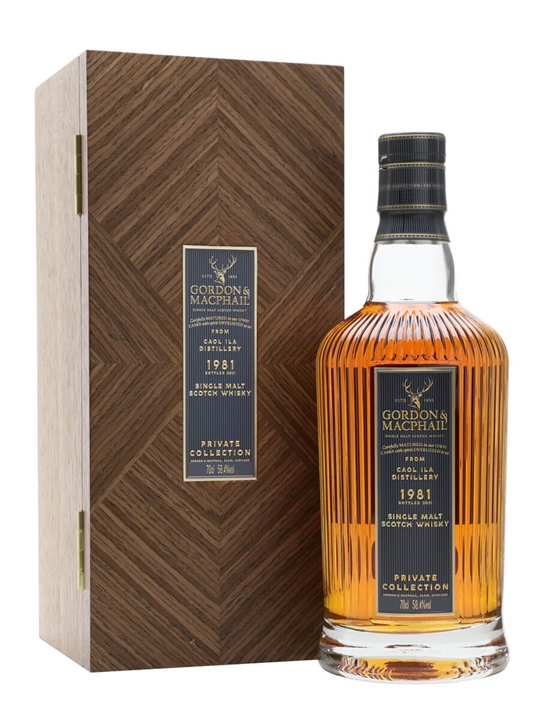
5. Caol Ila 32 Year Old Kinship – Best Mature Peated Islay Whisky
Caol Ila 32 Year Old, Kinship, Bottled 2022 is a fascinating choice for enthusiasts of peated Scotch.
Caol Ila is associated with a distinctive combination of peat smoke, citrus, maritime notes and relatively elegant spirit character.
After more than three decades in oak, the balance between smoke and mature cask influence can be very different from that of the distillery’s younger expressions.
Why It Stands Out
- 32-year age statement.
- 2022 Kinship bottling.
- Recognisable Islay distillery character.
- Opportunity to explore how peat evolves during long maturation.
Flavour direction: Mature peated whisky may combine softened smoke, citrus, maritime notes, waxy impressions and oak complexity.
Best for: Experienced Islay whisky enthusiasts.
Buying advice: Don’t assume a 32-year-old peated whisky will taste smokier than a 12-year-old. Peat character can become more integrated or subdued over time.
Explore Caol Ila 32 Year Old →
6. Brora 35 Year Old, 13th Release – Best Historic Highland Whisky
Brora 35 Year Old, 13th Release, 2014 is a bottle of particular interest to whisky historians and established collectors.
Brora ceased production in 1983 and subsequently developed an exceptional reputation among enthusiasts of historic Scotch. The distillery later reopened, but its older releases represent whisky distilled during the original production era.
The 2014 13th Release belongs to that historic category.
Why It Stands Out
- 35-year age statement.
- Identified 13th Release from 2014.
- Whisky from Brora’s original production era.
- Significant historical and collector interest.
Flavour direction: Historic Brora bottlings are known for complex combinations that can include waxy, mineral, earthy, fruity and smoky characteristics, depending on the release.
Best for: Serious collectors and enthusiasts of historic Highland distilleries.
Buying advice: Provenance, original packaging, fill level and authentication are particularly important when purchasing high-value Brora releases.
7. Tomintoul 40 Year Old, Second Edition – Best Elegant 40 Year Old Speyside Whisky
Tomintoul 40 Year Old, Second Edition provides an opportunity to explore four decades of maturation in a Speyside single malt.
Tomintoul is associated with a comparatively gentle, approachable spirit style. At 40 years old, the interaction between the original distillate and oak becomes especially significant.
Why It Stands Out
- 40-year age statement.
- Distinctive Second Edition release.
- Established Speyside distillery.
- Appeal to drinkers interested in very long maturation.
Flavour direction: Ultra-mature Speyside whisky may show orchard fruit, dried fruit, honey, polished oak, spice and delicate aromatic complexity.
Best for: Enthusiasts seeking an elegant, mature Speyside expression.
Buying advice: At this age, balance is crucial. Read reviews of the precise edition and consider whether its oak character matches your preferences.
Explore Tomintoul 40 Year Old →
8. Port Ellen 1982, 40 Year Old Eidolon – Best Closed-Era Islay Whisky
Port Ellen 1982, 40 Year Old Eidolon represents one of the most historically interesting categories of aged Scotch whisky.
Port Ellen closed in 1983 before reopening in 2024. Bottlings distilled before the closure are especially significant because they represent a distinct historical production period.
This 1982 vintage was distilled near the end of that original era.
Why It Stands Out
- 1982 distillation vintage.
- 40-year age statement.
- Connection to Port Ellen’s pre-1983 production.
- Distinctive Eidolon bottling identity.
Flavour direction: Mature Port Ellen may display layered maritime smoke, citrus, mineral notes, waxiness and developed oak, although individual casks differ substantially.
Best for: Established collectors and enthusiasts of historic Islay whisky.
Buying advice: This is a category where detailed provenance checks and specialist advice may be especially worthwhile.
9. Bunnahabhain 1975, 48 Year Old – Best Ultra-Mature Islay Whisky Without Heavy Peat
Bunnahabhain 1975, 48 Year Old, Signatory 35th Anniversary is a compelling example of extremely long maturation.
Although Bunnahabhain is situated on Islay, many of its expressions are unpeated. That makes the distillery particularly interesting for drinkers who want mature island whisky without the dominant smoke associated with some neighbouring distilleries.
This 1975 vintage is also linked to the 35th anniversary of independent bottler Signatory.
Why It Stands Out
- 1975 distillation vintage.
- 48-year age statement.
- Independent Signatory bottling.
- Commemorative 35th-anniversary identity.
Flavour direction: Very old Bunnahabhain can offer developed fruit, rich malt, nuts, oak, maritime complexity and subtle spice. The specific cask determines the final balance.
Best for: Collectors of ultra-mature Islay whisky and enthusiasts of independent bottlings.
Buying advice: At 48 years old, cask quality and bottling strength are especially important. Verify the actual bottle’s specifications before purchasing.
Explore Bunnahabhain 48 Year Old →
10. Glen Scotia 48 Year Old – Best Ultra-Mature Campbeltown Whisky
Glen Scotia 48 Year Old represents an extraordinary maturation period from one of Campbeltown’s historic distilleries.
Campbeltown was once a major centre of Scotch whisky production. Today, its distinctive regional identity and relatively small number of distilleries make older bottlings especially interesting to enthusiasts.
Why It Stands Out
- 48-year age statement.
- Historic Campbeltown distillery.
- Exceptional length of maturation.
- Interest to collectors of mature regional Scotch.
Flavour direction: Mature Campbeltown whisky may combine fruit, oak, spice, coastal notes and complex malt character. The precise profile of an ultra-aged release depends heavily on cask history.
Best for: Serious Campbeltown collectors and buyers seeking an exceptional milestone bottle.
Buying advice: For an expensive 48-year-old whisky, request detailed information about the exact bottle, its packaging, condition and provenance.
Explore Glen Scotia 48 Year Old →
What Happens to Whisky After 30, 40 or 50 Years in a Cask?
Whisky maturation is more complicated than simply becoming smoother with age.
During decades in oak, the spirit interacts with the wood, oxygen enters slowly through the cask, and some alcohol and water evaporate.
These processes change the whisky’s flavour, aroma, texture and strength.
Changes in Fruit Character
Fresh fruit notes may develop into dried fruit, stewed fruit or more complex mature aromas, depending on the original spirit and cask.
Greater Oak Influence
Long maturation can introduce vanilla, spice, tannins, polished wood and other oak-derived characteristics.
However, too much oak influence can make whisky dry, bitter or unbalanced.
Changes in Smoke
Peated whisky can become more integrated and complex over time.
A very old Caol Ila or Port Ellen may display a different balance of smoke and fruit from a younger expression.
Evaporation and Strength
Over many decades, a cask loses liquid through evaporation, often called the angel’s share.
Alcohol strength may rise or fall depending on storage conditions and the relative evaporation of water and alcohol.
Very old whisky therefore requires careful cask management to maintain quality and an appropriate bottling strength.
30 vs 40 vs 50 Year Old Whisky: Is Older Always Better?
| Age Range | What Buyers May Find | Important Consideration |
|---|---|---|
| 30–34 years | Significant maturation with potential for retained distillery character | Check cask balance and release details |
| 35–39 years | Deeply mature whisky, often in specialist releases | Compare independent and official bottlings |
| 40–44 years | Very long maturation and greater historical interest | Oak influence and provenance become especially important |
| 45–50+ years | Exceptional age statements and uncommon releases | Condition, authentication and pricing require careful scrutiny |
A 30-year-old whisky from an excellent cask may taste better to you than a 45-year-old expression from a less balanced one.
Age is a useful fact about maturation, but it is not a quality score.
Single Malt vs Single Grain: Which Offers Better Value at 30+ Years?
One of the most useful comparisons in ultra-aged Scotch is between single malt and single grain whisky.
Single malt Scotch is made from malted barley at one distillery using pot stills.
Single grain Scotch is made at one distillery but can use other cereals and a different distillation method.
Because demand and collector attention often favour single malt, mature grain whisky may sometimes be available at a lower price than similarly aged malt whisky.
That does not mean grain whisky is automatically better value. It simply offers another category worth investigating.
Strathclyde 35 Year Old is an example of how a buyer can explore very old Scotch without focusing exclusively on prestigious single malt distilleries.
Sherry Casks vs Bourbon Casks in Old Whisky
Cask type can have a major influence on whisky that has matured for several decades.
Sherry-Seasoned Oak
Sherry-cask maturation is often associated with dried fruit, spice, nuts, chocolate-like richness and deeper sweetness.
Edradour 1995 is a relevant example of an aged whisky with a sherry-cask identity.
Ex-Bourbon Oak
Ex-bourbon casks commonly contribute vanilla, coconut-like sweetness, citrus, honey and oak spice.
In mature whisky, these characteristics may develop alongside waxy, herbal or polished-wood notes.
Why Cask Quality Matters More Than a Label
Two whiskies of the same age from the same distillery can taste remarkably different.
Previous cask use, oak type, warehouse conditions and individual cask behaviour all influence the result.
For expensive vintage bottles, seek tasting information about the exact release rather than relying only on general descriptions of the distillery.
How Much Should You Spend on a 30+ Year Old Whisky in the UK?
There is no reliable universal price range for whisky aged 30 years or older.
Some mature grain whiskies and independent bottlings can be relatively accessible within this specialist category.
Older official distillery releases, historic Brora or Port Ellen bottlings and ultra-mature limited editions can command much higher prices.
Before buying, compare:
- The exact bottle and edition.
- Current asking prices from reputable UK retailers.
- Recent comparable auction results, where available.
- Age, vintage and bottling strength.
- Cask type and bottle count, if documented.
- Condition and original packaging.
- Shipping, insurance and any additional charges.
A high asking price does not necessarily represent market value, and a previous auction result does not guarantee future resale value.
How to Check Authenticity and Provenance
Authenticity becomes increasingly important when purchasing valuable aged whisky.
Check the Exact Release
Confirm the distillery, age statement, vintage, bottler, release year and cask number where relevant.
Inspect the Bottle
Look at the fill level, capsule, labels, glass, tax strips where applicable and presentation materials.
Request Photographs
For high-value bottles, request clear photographs of the actual bottle rather than relying solely on generic product images.
Understand the Seller’s Terms
Check authenticity guarantees, returns policies, insured delivery and any relevant conditions.
Keep Documentation
Retain invoices, original packaging, correspondence and provenance records.
For exceptionally expensive bottles, independent authentication or specialist advice may be appropriate.
How to Store 30, 40 and 50 Year Old Whisky
Whisky does not continue to mature after bottling, but storage conditions can affect bottle condition and long-term preservation.
- Store bottles upright rather than on their sides.
- Keep them away from direct sunlight.
- Avoid excessive heat and rapid temperature changes.
- Protect labels and boxes from damp conditions.
- Retain original packaging where possible.
- Document bottle condition and purchase information.
- Consider suitable insurance for high-value collections.
These precautions help preserve the bottle; they do not add extra years to its age statement.
Are 30+ Year Old Whiskies Good Investments?
Some buyers purchase ultra-aged whisky with resale value in mind, but there is no guarantee that a bottle will appreciate.
Prices depend on demand, condition, rarity, authenticity, reputation and broader market trends.
A historically interesting bottle can still decline in value.
Transaction fees, auction commissions, storage, insurance and shipping may also reduce any potential return.
Our recommendation: Buy aged whisky because you value its flavour, provenance or historical interest. Treat any potential investment return as uncertain.
Common Mistakes When Buying Very Old Whisky
- Buying by age alone: Longer maturation does not automatically mean better flavour.
- Ignoring cask details: Individual casks can have very different results.
- Assuming every old whisky is rare: Release size and market demand matter.
- Confusing distillation and bottling dates: The difference determines the actual maturation period.
- Overlooking bottle condition: Packaging, seals and fill levels can be important.
- Using outdated prices: Rare-whisky listings can change substantially.
- Assuming a closed distillery can never reopen: Port Ellen and Brora demonstrate why production history needs careful explanation.
- Expecting guaranteed investment returns: The secondary market is unpredictable.
Frequently Asked Questions About Whiskies Aged 30 Years and Older
What are the best aged whiskies over 30 years?
Worthwhile examples to investigate include Tomatin 30, Caol Ila 32, Strathclyde 35, Tomintoul 40 and Bunnahabhain 48. The best choice depends on budget, flavour preferences and whether the bottle is intended for drinking or collecting.
Is 30 year old whisky better than 18 year old whisky?
Not automatically. A 30-year-old whisky may offer more developed maturation characteristics, but cask quality and balance are more important than age alone.
Why is 40 year old whisky so expensive?
Very long maturation involves significant evaporation, extended storage and relatively uncommon surviving casks. Demand, packaging and release reputation can also affect price.
Does whisky keep ageing in the bottle?
No. Its maturation age is determined by time spent in oak before bottling.
Can whisky be aged for 50 years?
Yes. Some Scotch whiskies have matured for 50 years or longer, although maintaining balance and suitable strength becomes increasingly challenging.
Is mature single grain whisky worth buying?
It can be an interesting alternative to single malt, particularly for buyers who enjoy vanilla, oak and confectionery-style sweetness. Compare individual bottlings rather than assuming all grain whisky tastes alike.
Is old Islay whisky always smoky?
No. Bunnahabhain produces many unpeated expressions, while peat character in smoky whiskies can evolve substantially during maturation.
Is Port Ellen still a closed distillery?
No. Port Ellen reopened in 2024 after decades of closure. Historic bottlings from before the original 1983 closure remain a distinct part of its production history.
Why is Brora whisky collectible?
Historic Brora bottlings represent production from before the distillery’s 1983 closure. Their reputation, age and historical context contribute to collector interest.
Should I buy an official bottling or an independent bottling?
Both can be excellent. Official releases provide a distillery’s chosen presentation, while independent bottlings may offer unusual casks, vintages and alternative interpretations.
How do I know whether an expensive bottle is authentic?
Buy from reputable specialists, check release details, request photographs and supporting provenance, and consider independent authentication for exceptionally valuable bottles.
Is old whisky a good retirement or anniversary gift?
It can be, especially when the distillation year or age has personal significance. However, verify the recipient’s whisky preferences before choosing a heavily peated or strongly oaked expression.
Will a 30 year old whisky increase in value?
There is no guarantee. Secondary-market values can rise or fall, and selling costs affect returns.
What is the best way to taste a very old whisky?
Start with a small pour in a suitable tasting glass, allow time for the aromas to develop and taste it neat before experimenting with a few drops of water if desired.
Explore More Whisky Guides on ModHaven
Continue comparing styles, cask influence and special-occasion bottles:
- Sherried Whisky – Explore rich sherry-influenced expressions.
- Cask Strength Whisky – Discover higher-strength whisky styles.
- Whisky Gifts Under £100 – Find more accessible whisky gifts.
Final Verdict: Best Aged Whiskies 30+ Years
The best aged whiskies 30 years and older are not necessarily the oldest or most expensive bottles available. They are the expressions that combine compelling maturation, recognisable character, provenance and a price that makes sense for the buyer.
Best mature single grain: Strathclyde 1990, 35 Year Old.
Best vintage Highland single malt: Tomatin 1993, 30 Year Old.
Best commemorative Speyside release: Glen Grant 30 Year Old 150th Anniversary.
Best mature sherried Highland whisky: Edradour 1995, 30 Year Old.
Best mature peated Islay whisky: Caol Ila 32 Year Old Kinship.
Best historic Highland bottling: Brora 35 Year Old, 13th Release.
Best elegant 40-year-old Speyside: Tomintoul 40 Year Old Second Edition.
Best historic Islay release: Port Ellen 1982, 40 Year Old Eidolon.
Best ultra-mature unpeated Islay option: Bunnahabhain 1975, 48 Year Old.
Best ultra-mature Campbeltown whisky: Glen Scotia 48 Year Old.
If you are new to very old whisky, compare mature grain and independent single malt bottlings before moving towards exceptionally expensive historic releases.
If you are an established collector, focus on the exact vintage, bottler, cask and production history rather than age alone.
Use the ModHaven product links above to investigate the individual releases, compare current retailer listings and check availability before buying.
Affiliate disclosure: ModHaven may earn a commission from qualifying purchases through retailer links, at no additional cost to you. Prices, stock, bottle condition and product specifications may change. Rare whisky is not a guaranteed financial investment. Alcohol is intended for adults of legal drinking age. Please drink responsibly.