Single Malt vs Blended Whisky: What’s Better for Gifting?
Choosing between single malt vs blended whisky for gifting can be surprisingly difficult. Single malt Scotch often carries a reputation for quality and craftsmanship, while blended whisky is sometimes seen as a more affordable, everyday option.
But is single malt actually better? Not necessarily.
Some blended whiskies are exceptionally complex, beautifully presented and ideal for special occasions. Equally, a well-chosen single malt can make a thoughtful gift without requiring an enormous budget.
The best choice depends on the recipient’s favourite flavours, whisky experience and the occasion you’re celebrating.
In this guide, we’ll explain the differences between single malt and blended Scotch, compare their advantages for gifting and recommend ten whiskies from both categories.
Quick Answer: Is Single Malt or Blended Whisky Better for a Gift?
Single malt is often a good choice for someone who enjoys exploring individual distilleries, while blended whisky can be excellent for recipients who value balance, versatility or a particular house style.
Neither category is automatically superior.
- Choose single malt if the recipient has a favourite distillery, enjoys regional Scotch styles or likes discovering distinctive flavours.
- Choose blended Scotch if they enjoy familiar brands, balanced flavour profiles or whisky that works in several serving styles.
- Choose blended malt if they enjoy malt whisky but are open to combinations of whiskies from multiple distilleries.
- Choose according to flavour if you’re unsure. Peat smoke, sherry influence and sweetness matter more than the category alone.
Single Malt vs Blended Whisky: Key Differences
| Feature | Single Malt Scotch | Blended Scotch |
|---|---|---|
| Production | Made at one distillery | Combines whiskies from multiple distilleries |
| Ingredients | Malted barley | Malt and grain Scotch whiskies |
| Distillation | Pot stills | Component whiskies can use different still types |
| Flavour | Highlights an individual distillery’s character | Designed around a blended flavour profile |
| Consistency | Varies by expression and batch | Often blended to maintain a recognisable house style |
| Price | Available across many price levels | Ranges from affordable to very expensive |
| Gift appeal | Distillery identity and regional character | Balance, familiarity and premium presentation |
Both categories must meet Scotch whisky production and maturation requirements. The difference is primarily how the whisky is produced and combined, not whether one category is inherently better.
What Is Single Malt Scotch Whisky?
Single malt Scotch whisky is made from water and malted barley at one distillery, using pot stills.
The word single refers to the distillery, not to a single barrel.
A single malt may contain whisky from several casks and different production years, provided the whisky comes from the same distillery and meets the relevant Scotch whisky requirements.
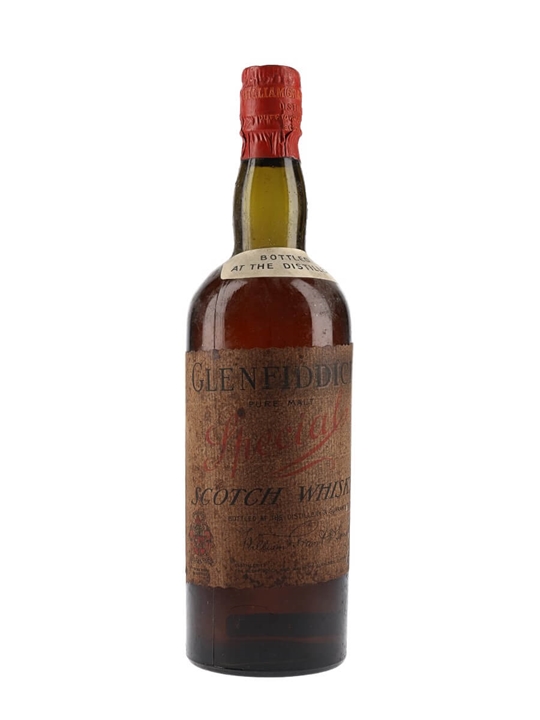
Examples include Glenfiddich, GlenAllachie, Arran, Bunnahabhain and Kilchoman.
Why Single Malt Can Make a Good Gift
- It offers a connection to a particular distillery.
- Different regions and producers provide distinctive styles.
- Age statements and cask finishes offer plenty of choice.
- It can be particularly meaningful for someone who already has a favourite distillery.
However, single malt is not necessarily more expensive, more complex or better tasting than a blend.
What Is Blended Scotch Whisky?
Blended Scotch whisky combines one or more single malt Scotch whiskies with one or more single grain Scotch whiskies.
The blender selects and combines components to create a particular flavour profile.
Famous examples include Johnnie Walker and Chivas Regal.
Blending is a skilled process. The objective may be consistency, complexity, balance or a distinctive flavour experience.
Why Blended Scotch Can Make a Good Gift
- Many blends offer recognisable flavour profiles.
- There are options for beginners and enthusiasts.
- Premium blends can have impressive age statements and presentation.
- Some are versatile enough for neat drinking, highballs or cocktails.
A carefully made blend should not be considered inferior simply because it contains whisky from more than one distillery.
What About Blended Malt Scotch Whisky?
Blended malt is a separate Scotch whisky category that combines single malt whiskies from more than one distillery.
Unlike blended Scotch whisky, blended malt does not contain single grain whisky.
Examples include Monkey Shoulder and Johnnie Walker Green Label.
Blended malt can be particularly interesting for gifting because it combines the character of malt whisky with the creative possibilities of blending.
10 Whiskies to Compare for Gifting
These five single malts, three blended Scotch whiskies and two blended malts offer a useful range of styles.
Shopping note: Prices, availability and gift packaging may change. Check the retailer listing before ordering.
| Whisky | Category | Flavour Direction | Best Recipient |
|---|---|---|---|
| Arran 10 Year Old | Single malt | Citrus, malt, vanilla | Beginner or fruit-led whisky fan |
| GlenAllachie 12 | Single malt | Rich fruit, honey, spice | Sherry-influenced whisky lover |
| Bunnahabhain 12 | Single malt | Nuts, dried fruit, coastal notes | Unpeated Islay enthusiast |
| Highland Park 12 | Single malt | Honey, spice, gentle smoke | Light peat lover |
| Kilchoman Sanaig | Single malt | Peat smoke, dried fruit, spice | Experienced smoke lover |
| Johnnie Walker Black Label 12 | Blended Scotch | Fruit, vanilla, smoke | Classic blended whisky drinker |
| Chivas Regal 18 Gift Box | Blended Scotch | Dried fruit, chocolate, spice | Premium gift recipient |
| Compass Box Glasgow Blend | Blended Scotch | Smoke, sherry influence, spice | Adventurous whisky enthusiast |
| Monkey Shoulder | Blended malt | Vanilla, malt, fruit | Beginner or cocktail enthusiast |
| Johnnie Walker Green Label 15 | Blended malt | Fruit, herbs, malt, smoke | Experienced malt whisky drinker |
Five Single Malt Whiskies Worth Giving
1. Arran 10 Year Old – Best Approachable Single Malt Gift
Arran 10 Year Old is an excellent introduction to single malt Scotch.
Produced on the Isle of Arran, it offers a bright combination of citrus, malt sweetness, vanilla and gentle spice.
It is particularly suitable for someone who enjoys fresh, fruit-led whisky rather than heavy peat smoke.
Why choose it: An accessible way to introduce someone to the character of an individual distillery.
Best for: Birthdays, Christmas and first single malt gifts.
2. GlenAllachie 12 Year Old – Best Rich Single Malt Gift
GlenAllachie 12 Year Old is a good choice for someone who enjoys rich, fruity Scotch.
This Speyside expression offers a flavour direction associated with dried fruit, honey, oak and warming spice.
Its cask influence makes it particularly interesting for recipients who already enjoy sherry-matured whisky.
Why choose it: A flavour-rich alternative to lighter single malts.
Best for: Sherried whisky enthusiasts and special birthdays.
3. Bunnahabhain 12 Year Old – Best Unpeated Islay Gift
Bunnahabhain 12 Year Old is an interesting choice because it demonstrates that not every Islay single malt is heavily smoky.
The standard expression is unpeated and combines rich fruit, nuts, malt and coastal character.
It makes a thoughtful gift for someone interested in regional whisky styles but who doesn’t enjoy intense smoke.
Why choose it: Distinctive Islay identity without the heavy peat character associated with some neighbouring distilleries.
Best for: Curious Scotch drinkers and established single malt fans.
4. Highland Park 12 Year Old – Best Gently Smoky Single Malt
Highland Park 12 Year Old offers a balance of sweetness, spice and gentle peat influence.
Produced on Orkney, Highland Park has a distinctive distillery character that appeals to drinkers who enjoy smoke without overwhelming intensity.
Why choose it: A useful introduction to whisky with a smoky edge.
Best for: Recipients who enjoy balanced Scotch and light peat.
5. Kilchoman Sanaig – Best Single Malt for Peat Lovers
Kilchoman Sanaig is an excellent choice for someone who already enjoys smoky Scotch.
This Islay single malt combines peat smoke with rich cask influence, producing a flavour direction associated with dried fruit, spice and coastal character.
It demonstrates how strongly individual distillery identity and maturation can shape a single malt.
Why choose it: Distinctive peat and sherry-cask character.
Best for: Experienced smoky whisky enthusiasts.
Gift warning: Avoid buying it for someone who dislikes peat smoke.
Five Blended Whisky and Blended Malt Gifts Worth Giving
6. Johnnie Walker Black Label 12 Year Old – Best Classic Blended Scotch Gift
Johnnie Walker Black Label 12 Year Old is one of the most recognisable examples of blended Scotch whisky.
Its combination of malt and grain whiskies creates a balanced profile associated with fruit, vanilla, spice and a touch of smoke.
It is suitable for someone who enjoys familiar Scotch brands or appreciates whisky that can be enjoyed in different ways.
Why choose it: Recognisable presentation and a consistent house style.
Best for: Christmas, birthdays and classic Scotch drinkers.
Explore Johnnie Walker Black Label →
7. Chivas Regal 18 Year Old Gift Box – Best Premium Blended Scotch Gift
Chivas Regal 18 Year Old Gift Box demonstrates why blended whisky should not be dismissed as an everyday category.
Chivas Regal 18 is a mature blended Scotch associated with dried fruit, chocolate-like richness, spice and oak.
The gift-box listing also makes it worth considering when presentation matters.
Why choose it: An 18-year age statement combined with premium blended Scotch character.
Best for: Milestone birthdays, anniversaries and retirement gifts.
Buying tip: Confirm the exact gift-box contents and packaging.
Explore Chivas Regal 18 Gift Box →
8. Compass Box Glasgow Blend – Best Adventurous Blended Scotch Gift
Compass Box Glasgow Blend is a good example of blending used to create a distinctive flavour rather than simply a mild, approachable whisky.
It offers a richer, more assertive profile, with smoky character and sherry-influenced notes.
For someone who enjoys exploring unusual Scotch, it can be more interesting than a conventional gift bottle.
Why choose it: Demonstrates the creative possibilities of blending.
Best for: Enthusiasts who enjoy smoke, spice and experimentation.
Explore Compass Box Glasgow Blend →
9. Monkey Shoulder – Best Blended Malt for Beginners
Monkey Shoulder is a blended malt Scotch whisky, meaning it combines single malt whiskies from multiple distilleries without grain whisky.
Its approachable profile includes malt sweetness, vanilla and fruit.
Monkey Shoulder is also a useful gift for someone who enjoys whisky cocktails as well as drinking whisky neat.
Why choose it: Approachable blended malt character and versatility.
Best for: Beginners, casual whisky drinkers and cocktail enthusiasts.
10. Johnnie Walker Green Label 15 Year Old – Best Blended Malt for Enthusiasts
Johnnie Walker Green Label 15 Year Old is an especially useful comparison with single malt Scotch.
Unlike Johnnie Walker Black Label, Green Label is a blended malt made using malt whiskies rather than a combination of malt and grain whisky.
Its profile brings together fruit, malt, herbal notes and smoke.
Why choose it: A mature blended malt that challenges the assumption that whisky from multiple distilleries must be simple.
Best for: Experienced Scotch drinkers and enthusiasts interested in blending.
Explore Johnnie Walker Green Label →
Does Single Malt Taste Better Than Blended Whisky?
No category guarantees better flavour.
Single malts can be light, fruity, smoky, rich or spicy. Blended whiskies can also display those characteristics.
The key distinction is that single malt expresses whisky from one distillery, while blended whisky combines components to create a chosen profile.
For example, Kilchoman Sanaig is a smoky single malt, but Compass Box Glasgow Blend also offers pronounced smoky character.
Similarly, GlenAllachie 12 is a rich single malt, while Chivas Regal 18 provides a different style of rich, mature Scotch.
Personal preference matters more than the label category.
Is Single Malt More Expensive Than Blended Whisky?
Single malt often carries a higher average retail price than everyday blended Scotch, but there is considerable overlap.
Some single malts are relatively affordable, while mature and limited-edition blends can be very expensive.
Price may reflect maturation, production costs, rarity, packaging, brand reputation and market demand.
It should not be treated as a direct measure of quality.
Which Whisky Looks More Impressive as a Gift?
Presentation depends on the individual bottle.
A single malt with a recognisable age statement may appeal to someone who values distillery heritage.
A premium blended Scotch in a gift box may look equally impressive and could be more suitable for someone who already enjoys that brand.
Before ordering, check whether the product includes a carton, tube or presentation box. Retailer listings can differ.
Single Malt vs Blended Whisky for Different Recipients
| Recipient | Recommended Approach | Example |
|---|---|---|
| Whisky beginner | Approachable flavour profile | Arran 10 or Monkey Shoulder |
| Traditional Scotch drinker | Recognisable style | GlenAllachie 12 or Johnnie Walker Black Label |
| Sherried whisky lover | Rich fruit and spice | GlenAllachie 12 or Chivas Regal 18 |
| Peat enthusiast | Smoky whisky | Kilchoman Sanaig or Compass Box Glasgow Blend |
| Collector or enthusiast | Distinctive producer or blending style | Bunnahabhain 12 or Johnnie Walker Green Label |
| Milestone gift recipient | Mature whisky with thoughtful presentation | Chivas Regal 18 Gift Box |
Which Is Better for a Birthday Gift?
For a birthday, choose the whisky that best matches the recipient’s existing preferences.
If they enjoy exploring distilleries, a single malt such as Arran 10 or GlenAllachie 12 may be appropriate.
If they already drink Johnnie Walker or Chivas Regal, a familiar premium blend may be more meaningful than an unfamiliar single malt.
Which Is Better for a Christmas Gift?
Both categories work well.
Monkey Shoulder and Johnnie Walker Black Label can be useful choices for social occasions, while a distinctive single malt or premium blended Scotch may be more appropriate for a dedicated whisky enthusiast.
Gift presentation and delivery timing may be especially important at Christmas.
Which Is Better for a Retirement Gift?
For retirement, consider a mature expression or a whisky connected to the recipient’s favourite distillery or brand.
Chivas Regal 18 is a relevant premium blended Scotch option, while a mature single malt may appeal to someone with a particular interest in distillery character.
The age statement can contribute to the sense of occasion, but should not outweigh flavour preferences.
How to Choose Between Single Malt and Blended Whisky
1. Start With What They Already Drink
Look at the bottles they enjoy rather than assuming one category is superior.
2. Identify Their Favourite Flavours
Consider whether they prefer fruit, honey, vanilla, spice, sherry influence or peat smoke.
3. Think About the Occasion
A casual birthday present and a major retirement gift may call for different levels of presentation and spending.
4. Set a Realistic Budget
Choose the best match within your budget rather than simply the most expensive bottle.
5. Check the Exact Product
Verify the expression, bottle volume, ABV, packaging, availability and final delivered price.
Common Myths About Single Malt and Blended Whisky
Myth: Single Malt Is Always Better Quality
False. Both categories include excellent whiskies, and quality depends on the individual expression.
Myth: Blended Whisky Is Only for Beginners
False. Some blends are designed for experienced enthusiasts and offer considerable complexity.
Myth: Single Malt Comes From One Barrel
False. Single malt comes from one distillery, but may combine multiple casks.
Myth: Blended Malt and Blended Scotch Are the Same
False. Blended malt contains single malt whiskies from multiple distilleries. Blended Scotch combines malt and grain Scotch whiskies.
Myth: Older Whisky Is Always Better
False. Maturation affects flavour, but age alone does not guarantee greater enjoyment.
Frequently Asked Questions
Is single malt or blended whisky better for gifting?
Neither is automatically better. Single malt suits recipients interested in individual distilleries, while blended whisky can be excellent for those who appreciate balance, familiarity or premium presentation.
Is single malt whisky higher quality than blended whisky?
Not necessarily. Both categories contain whiskies across a wide range of quality and prices.
What does single malt mean?
For Scotch whisky, single malt means whisky made from malted barley at one distillery using pot stills.
What does blended Scotch mean?
Blended Scotch combines one or more single malt Scotch whiskies with one or more single grain Scotch whiskies.
What is blended malt Scotch?
Blended malt combines single malt Scotch whiskies from more than one distillery without single grain whisky.
Is Johnnie Walker Black Label a single malt?
No. Johnnie Walker Black Label is a blended Scotch whisky.
Is Johnnie Walker Green Label a single malt?
No. Green Label is a blended malt Scotch whisky.
Is Monkey Shoulder a blended whisky?
Monkey Shoulder is specifically a blended malt Scotch whisky.
Which whisky is best for a beginner?
Arran 10 and Monkey Shoulder are approachable choices worth comparing, depending on the recipient’s tastes.
Can blended whisky be expensive?
Yes. Mature, rare and premium blended whiskies can be expensive.
Is single malt always smoky?
No. Many single malts are unpeated. Smoke depends on production choices, not whether the whisky is single malt.
Can blended Scotch contain peated whisky?
Yes. Peated malt whisky may be used as part of a blend.
Does whisky continue ageing in the bottle?
No. Whisky does not continue maturing once bottled.
What should I check before buying whisky as a gift?
Confirm the recipient’s preferences, bottle size, exact expression, price, packaging and delivery arrangements.
Explore More Whisky Guides on ModHaven
- Sherried Whisky – Explore rich fruit and sherry-cask influence.
- Cask Strength Whisky – Understand higher-strength whisky.
- Whisky Gifts Under £100 – Compare gift options by budget.
Final Verdict: Single Malt vs Blended Whisky for Gifting
When deciding between single malt vs blended whisky for gifting, the most important factor is the recipient’s taste.
Choose single malt Scotch when the recipient enjoys exploring individual distilleries and distinctive regional character. Arran 10, GlenAllachie 12 and Bunnahabhain 12 offer different ways to experience this.
Choose blended Scotch when the recipient appreciates a particular house style or recognisable premium expression. Johnnie Walker Black Label, Chivas Regal 18 and Compass Box Glasgow Blend show how varied the category can be.
And don’t overlook blended malt. Monkey Shoulder and Johnnie Walker Green Label demonstrate that combining malt whiskies from multiple distilleries can produce excellent results.
Ultimately, a thoughtful whisky gift isn’t defined by whether the label says single malt or blended. It’s defined by how well the bottle suits the person receiving it.
Affiliate disclosure: ModHaven may earn a commission from qualifying purchases through retailer links, at no additional cost to you. Prices, availability and specifications may change. Alcohol is intended for adults of legal drinking age. Please drink responsibly.