Best aged whiskies 18+ years (UK guide)
Choosing an aged whisky is as much about provenance and palate as it is about patience. This guide highlights ten carefully selected bottles aged 18 years and older, each offering depth and character that comes with time in cask. Whether you favour the smoke of Islay, the elegance of Speyside or the gentle richness of Irish pot still, these picks are designed to help discerning buyers invest in bottles that reward slow sipping and special occasions.
Quick take
- Aged whiskies develop layered flavours—look for balance between oak, fruit and spirit character.
- Decide whether you prefer peated, sherry- or port-finished, or unpeated styles before buying.
- Condition and provenance matter: buy from reputable sources and consider collectability if reselling.
- Price reflects rarity and age; pick a bottle that suits your use—drinking now versus long-term holding.
Top picks
Bruichladdich 1992 / 26 Year Old / Single Malts of Scotland Islay Whisky — £325.00, 26yo, peated
This 26‑year‑old Bruichladdich offers the long, contemplative development that comes from extended maturation on Islay. Expect a peat influence integrated with older oak notes and the kind of complexity that rewards measured tasting rather than quick pours.
Best for aficionados who enjoy matured peat without it overwhelming the palate
More picks worth considering
Bruichladdich 1967 / 32 Year Old / Sherry Cask / Cask 968 / Signatory Islay Whisky
A strong option within this style—worth considering if you want to compare a few profiles before buying.
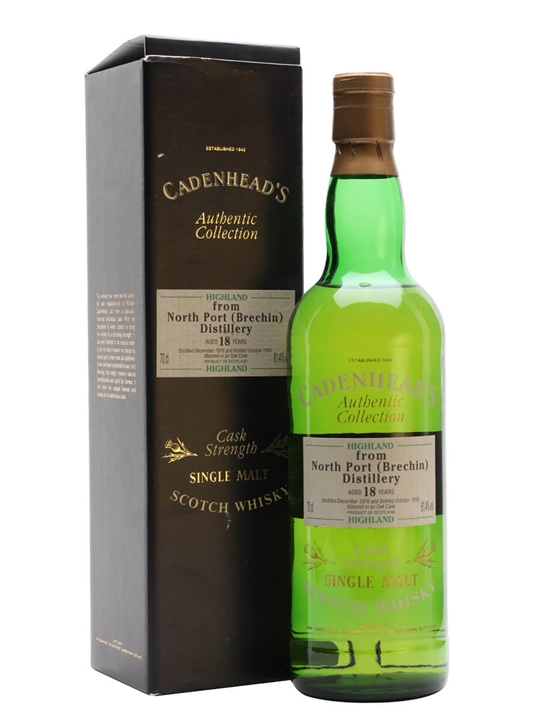
North Port (Brechin) 1976 / 18 Year Old / Cadenhead Highland Whisky
A strong option within this style—worth considering if you want to compare a few profiles before buying.
Highland Park 21 Year Old / Bot.1970s Island Single Malt Scotch Whisky
A strong option within this style—worth considering if you want to compare a few profiles before buying.
Dumbarton 1989 / 32 Year Old / Golden Cask / House of Macduff Single Whisky
A strong option within this style—worth considering if you want to compare a few profiles before buying.
Redbreast 1997 / 25 Year Old / Cream Sherry Cask / The Whisky Exchange Exclusive
A strong option within this style—worth considering if you want to compare a few profiles before buying.
Jameson 18 Year Old Blended Irish Whiskey
A strong option within this style—worth considering if you want to compare a few profiles before buying.
Port Ellen 1979 / 37 Year Old / 17th Release (2017) Islay Whisky
A strong option within this style—worth considering if you want to compare a few profiles before buying.
Personalised 21 Year Old Speyside Scotch Whisky Speyside Whisky
A strong option within this style—worth considering if you want to compare a few profiles before buying.
Glenfiddich 21 Year Old / Wedgwood Decanter Speyside Whisky
A strong option within this style—worth considering if you want to compare a few profiles before buying.
Explore more on ModHaven
FAQ
What’s better for gifting: single malt or blended whisky?
For most gifts, go with a well-balanced whisky with clear tasting notes and good presentation. Single malt can feel more “special”, but a quality blend can be just as enjoyable and often better value.
How do I choose a safe flavour profile?
If you’re unsure, pick something balanced rather than heavily peated. Richer sweetness often comes from sherry influence; brighter vanilla and spice often comes from bourbon casks.
Should I buy the oldest bottle I can afford?
Not necessarily. Age can add polish, but overall quality and cask influence matter more. Choose the best-made bottle in your budget, not just the biggest number.
How to choose Best aged whiskies 18+ years (UK guide)
When buying whisky in this style, the fastest way to narrow options is to decide what flavour direction you want: richer and sweeter, brighter and cleaner, or smoky and intense. If you’re buying as a gift and you’re unsure of preferences, a balanced profile is usually the safest choice.
Think about the occasion too. A casual bottle can prioritise value and approachability, while a milestone gift can justify stepping up in overall polish and presentation. The best approach is to compare a shortlist and choose the bottle that best matches the drinker’s taste.
Sherried vs bourbon cask influence
Sherry influence often feels richer and fruitier, while bourbon-cask maturation tends to lean brighter with vanilla and gentle spice. If you’re unsure which direction to choose, start with a balanced whisky that sits between the two styles and use the tasting notes to guide you.
If the drinker enjoys dessert-like flavours, dried fruit, or chocolate notes, sherried styles can be a safe bet. If they prefer cleaner, fresher flavours, bourbon-led styles are often the better fit.
Peated vs unpeated
Peat adds smoke and intensity. Some people love it, others don’t—so if you’re gifting and you’re not sure, unpeated or lightly peated styles are generally safer. If you know the drinker is a peat fan, choose smoky options and compare a couple of intensity levels.
For many drinkers, lightly smoky whiskies can be a good “middle ground” if they enjoy a bit of character without heavy smoke.
More bottles to compare
More picks worth considering
How to shortlist quickly
- Set your budget: pick the best-made bottle in your range rather than chasing age alone.
- Match the drinker: sweet/rich, bright/clean, or smoky/peated.
- Compare a few options: choose the one that best fits the occasion.
- Keep it simple: balanced whiskies with clear notes make excellent gifts.
Common mistakes to avoid
Avoid buying based only on the highest age statement or the biggest brand name. Age can add depth, but cask quality and balance matter more. Another common mistake is choosing a heavily smoky whisky for someone who may not enjoy peat.
Finally, don’t ignore value. Often, comparing a few strong options in your budget produces a better outcome than hunting for a single “perfect” bottle.
How to get the best value
Value doesn’t always mean the cheapest bottle; it means the bottle that delivers the best experience for your spend. Look for clear style cues, strong consistency, and a profile that matches the drinker. If you’re unsure, shortlist three options and pick the one with the most balanced description.
If you’re buying for a collection, consider adding variety: one classic, one richer style, and (if appropriate) one smoky option. That approach often gives the best overall drinking experience.
How to choose Best aged whiskies 18+ years (UK guide)
When buying whisky in this style, the fastest way to narrow options is to decide what flavour direction you want: richer and sweeter, brighter and cleaner, or smoky and intense. If you’re buying as a gift and you’re unsure of preferences, a balanced profile is usually the safest choice.
Think about the occasion too. A casual bottle can prioritise value and approachability, while a milestone gift can justify stepping up in overall polish and presentation. The best approach is to compare a shortlist and choose the bottle that best matches the drinker’s taste.
Sherried vs bourbon cask influence
Sherry influence often feels richer and fruitier, while bourbon-cask maturation tends to lean brighter with vanilla and gentle spice. If you’re unsure which direction to choose, start with a balanced whisky that sits between the two styles and use the tasting notes to guide you.
If the drinker enjoys dessert-like flavours, dried fruit, or chocolate notes, sherried styles can be a safe bet. If they prefer cleaner, fresher flavours, bourbon-led styles are often the better fit.